
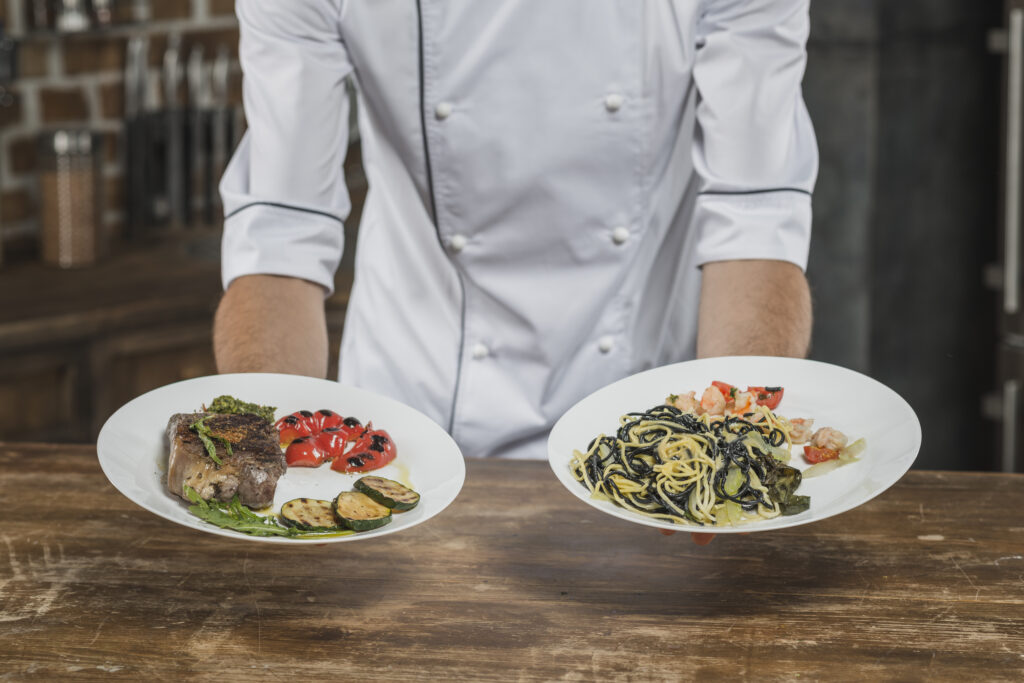
For many nutrition-conscious households, particularly those who value clean sourcing from an organic grocery store in Chennai, one observation keeps repeating: home food tastes different from outside food, even when recipes remain unchanged.
Home food tastes different from outside food because of fundamental differences in ingredients, preparation methods, and nutritional composition. As someone who values evidence-based nutrition science and works closely with clean sourcing through pantrybykarthik, this article compiles peer-reviewed research to explain this phenomenon without fear-mongering or unsubstantiated claims.
The difference between meals prepared in your kitchen and those served in restaurants goes far beyond simple taste preferences. Multiple scientific studies published in reputable journals have documented measurable variations in calorie content, sodium levels, ingredient quality, and portion sizes. Understanding these differences helps explain why home food tastes different from outside food and empowers you to make informed dietary choices.
Contents
- 1 Understanding Why Home Food Tastes Different from Outside Food
- 2 Reason 1: Sodium Content Creates Distinct Flavor Profiles
- 3 Reason 2: Food Additives and Preservatives Alter Taste and Texture
- 4 Reason 3: Portion Sizes Fundamentally Differ
- 5 Reason 4: Ingredient Quality and Freshness Vary Significantly
- 6 Reason 5: Cooking Methods and Oil Quality Make a Measurable Difference
- 7 The Cumulative Health Impact: What Research Shows
- 8 Practical Applications of This Research
- 9 Conclusion: The Evidence Is Clear
Understanding Why Home Food Tastes Different from Outside Food
Before diving into the specific reasons, it’s important to establish what research tells us about dietary patterns. According to a comprehensive study published by the University of Washington School of Public Health in the American Journal of Preventive Medicine, frequent home-cooked dinners were associated with lower energy intake and lower consumption of sugar and fat.
This foundational research provides objective clarity on why home food tastes different from outside food, beyond personal preference or nostalgia.
Data from the National Health and Nutrition Examination Survey (NHANES) further confirms that meals consumed away from home contain higher levels of total calories, saturated fat, and sodium—quantifiable differences that directly influence taste perception.
Reason 1: Sodium Content Creates Distinct Flavor Profiles
One of the most scientifically supported explanations for why home food tastes different from outside food lies in sodium concentration.
Research published in Circulation by the University of Minnesota found that nearly 71% of sodium intake comes from commercially prepared foods, including restaurant meals. In contrast, salt added during home cooking contributes only about 11%.
This imbalance explains why home food tastes different from outside food, even when dishes appear identical.
Key findings include:
- Home-prepared foods: ~1,552 mg sodium per 1,000 calories
- Restaurant foods: ~1,879 mg sodium per 1,000 calories
- Single fast-food meals exceeding 2,300 mg sodium
This sodium disparity alone significantly alters taste, mouthfeel, and post-meal thirst.
Reason 2: Food Additives and Preservatives Alter Taste and Texture
Another major reason home food tastes different from outside food is the use of food additives.
Systematic reviews published in BMC Pediatrics and toxicological research indexed in PMC indicate that preservatives, artificial colors, and flavor enhancers—while regulated—alter both sensory experience and digestion.
Restaurants often rely on:
- MSG for flavor amplification
- Sodium nitrite in processed meats
- Artificial colorants for visual appeal
- Emulsifiers to stabilize texture
In contrast, home-cooked meals made from fresh staples rarely require such additives, which explains why home food tastes different from outside food at a fundamental level.
This additive-free approach is central to how staples are curated at pantrybykarthik, where ingredient transparency is prioritised over shelf stability.
Reason 3: Portion Sizes Fundamentally Differ
Portion size distortion is a well-documented phenomenon and another reason home food tastes different from outside food.
A study published in the American Journal of Public Health found that restaurant portions have increased steadily since the 1970s. Research in the Journal of Obesity showed that 92% of restaurant meals exceed single-meal energy needs.
Examples:
- Restaurant pasta: 480–600 g | Home portion: ~140 g
- Restaurant rice: 2+ cups | Home portion: ½–¾ cup
Larger portions affect satiety signals, making meals feel heavier and altering taste perception—yet another explanation for why home food tastes different from outside food.
Reason 4: Ingredient Quality and Freshness Vary Significantly
Ingredient freshness plays a critical role in explaining why home food tastes different from outside food.
Population-based studies, including the UK Fenland cohort, show that home-cooked meals contain significantly higher fruit and vegetable content and better nutrient profiles.
Fresh ingredients retain:
- Higher vitamin levels
- Better antioxidant activity
- Natural aroma compounds
For households shopping at an organic grocery store in Chennai, these findings often align with lived experience—home meals feel lighter, fresher, and more satisfying.
Reason 5: Cooking Methods and Oil Quality Make a Measurable Difference
Cooking technique is the final scientific factor explaining why home food tastes different from outside food.
Restaurants often use high-heat methods and reuse oils for efficiency. Home kitchens allow:
- Controlled temperatures
- Measured oil quantities
- Choice of healthier fats
Research from the International Journal of Behavioral Nutrition and Physical Activity links frequent home cooking with better BMI, cholesterol markers, and metabolic health.
Oil quality and temperature control significantly influence flavor, digestion, and nutrient preservation—reinforcing why home food tastes different from outside food even when recipes overlap.
The Cumulative Health Impact: What Research Shows
Large-scale studies from the University of Washington and Johns Hopkins Bloomberg School of Public Health consistently show that frequent home cooking is associated with:
- Lower calorie intake
- Reduced sodium consumption
- Better nutrient density
- Improved long-term health markers
These outcomes clarify why home food tastes different from outside food not just on the tongue, but at a metabolic level.
Importantly, these benefits were observed without increased food costs, especially when staples are sourced mindfully—a principle that guides pantrybykarthik.
Practical Applications of This Research
Understanding why home food tastes different from outside food allows you to make smarter choices:
- Cook at home 5–6 days a week
- Use herbs instead of excess salt
- Choose seasonal produce
- Control oil quality and portions
When eating out, request sauces on the side and prioritise simple cooking methods.
Conclusion: The Evidence Is Clear
Scientific literature consistently shows that home food tastes different from outside food due to measurable differences in sodium levels, additives, portion sizes, ingredient freshness, and cooking techniques.
This is not about avoiding restaurants—but about understanding patterns backed by decades of nutritional research. When combined with thoughtful sourcing from an organic grocery store in Chennai, home cooking becomes both practical and powerful.
Whether you cook daily or occasionally dine out, understanding why home food tastes different from outside food empowers better decisions for long-term health—one meal at a time.